Energy infrastructure purchasing is constrained by site conditions, compatibility, interconnection, safety, lead time, warranty, service coverage, cybersecurity, financing, and lifecycle cost. A generic product catalog can create choice without creating confidence.
A governed marketplace begins when planning or operations identifies a requirement: new capacity, failed component, service intervention, warranty claim, upgrade, replacement, spare, financing need, or partner capability. The requirement carries asset and site context into the transaction.
The transaction chain
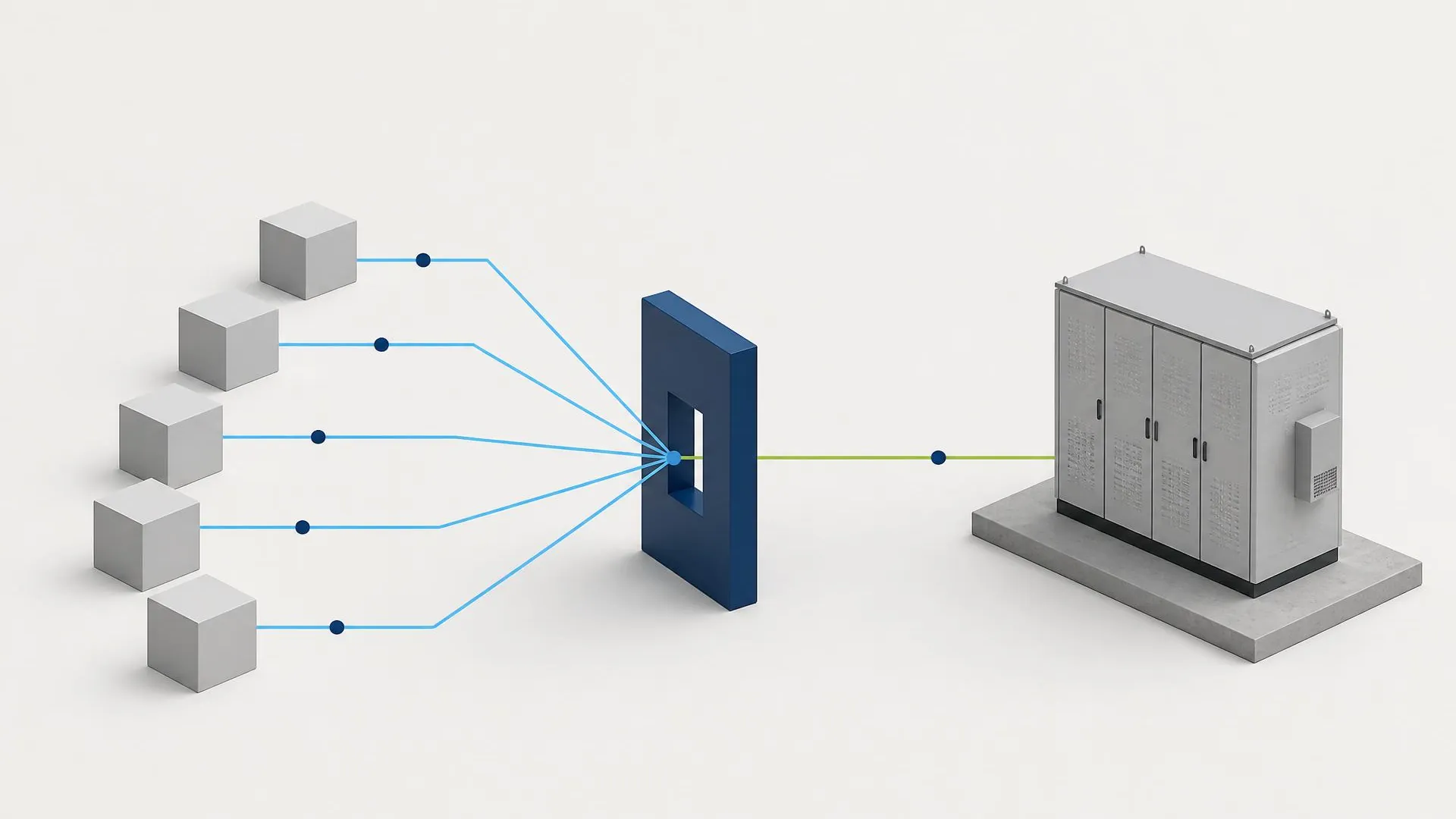
A durable chain is need, requirement, qualified options, request, quote, comparison, approval, order, fulfillment, acceptance, and lifecycle update. Each object has identity, ownership, status, evidence, and relationships. This enables commercial work without losing the reason the transaction exists.
The platform should preserve both selected and rejected alternatives with the decision rationale. That history improves auditability, supplier learning, and future sourcing.
Qualification before recommendation
Vendors and offerings should be evaluated against technical fit, interoperability, certification evidence, service territory, lead time, cybersecurity, supply-chain risk, warranty, financial stability, commercial terms, and performance history. Qualification must be scoped; a vendor approved for one technology or geography is not automatically approved everywhere.
Recommendations should disclose ranking factors and commercial relationships. Sponsored placement, referral compensation, brokerage fees, or revenue sharing must not silently override customer fit.
Total-value comparison
Lowest price is rarely the complete answer. Comparison should include acquisition, engineering, integration, utility and civil implications, installation, financing, operating cost, efficiency, service, downtime exposure, degradation, replacement, disposal, and residual value. Uncertainty should be visible.
Finance, engineering, operations, procurement, and risk users need different views of the same comparison. The underlying facts remain shared while emphasis changes by role.
Workflow and controls
Approval thresholds, segregation of duties, delegated authority, supplier conflicts, quote validity, change orders, and evidence retention should follow familiar enterprise controls. Marketplace convenience must not bypass procurement governance.
A detected need may create a draft request automatically, but a qualified user should authorize external solicitation or commitment. Commitments must be immutable events with amendments rather than overwritten records.
Closing the lifecycle loop
Fulfillment is not the end. Acceptance should reconcile what was ordered, delivered, installed, commissioned, and paid. Serial numbers, warranties, configuration, service obligations, and final cost update the asset record.
Post-transaction performance informs future qualification and total-value comparisons. This creates a learning marketplace grounded in operational evidence rather than ratings alone.
Business-model implications
The architecture supports software subscriptions, transaction fees, referral or brokerage economics, service coordination, financing participation, and revenue sharing. Each model requires transparent disclosure, contractual role clarity, and protection of customer choice.
GRIDSTROM's strategic advantage is the connection between intelligence and transaction: the platform can identify what is needed, explain why, govern the decision, coordinate fulfillment, and verify the result.