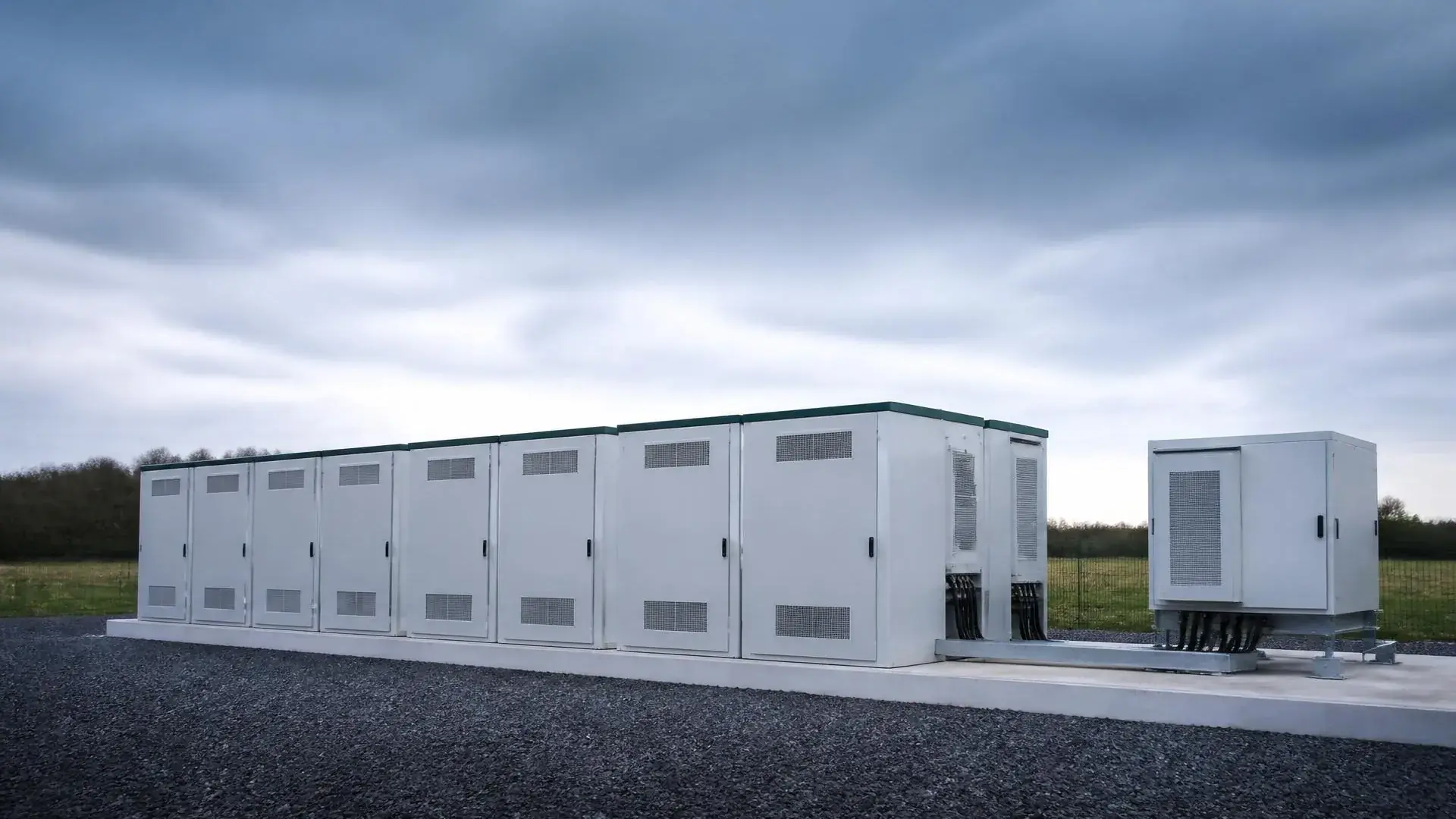
Battery use converts optionality into value, but cycling, calendar aging, temperature, state-of-charge exposure, power rate, and operating limits influence future capability. A schedule can improve today's bill while accelerating capacity loss, increasing warranty risk, or reducing resilience when the asset is most needed.
Degradation-aware optimization places an explicit marginal cost or constraint on use. That cost need not be perfectly known to improve decisions; it must be transparent, scenario-based, and updated as the asset produces evidence.
The value stack
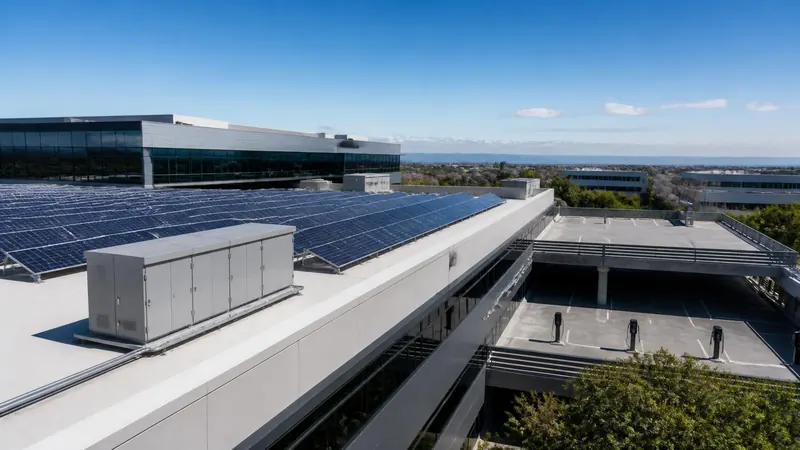
A commercial battery may serve demand management, energy arbitrage, resilience, renewable firming, charging support, capacity management, ancillary services, or a combination. Each service has different timing, response, telemetry, state-of-charge, and availability requirements. Stacking value without recognizing conflicts can double-count capability.
The optimizer should allocate physical headroom and energy to obligations before opportunistic dispatch. It should represent non-delivery penalties, critical-load reserves, interconnection limits, inverter capacity, temperature, warranty constraints, and maintenance windows.
A practical degradation model
For planning, degradation can be represented through throughput cost, cycle-depth curves, calendar-aging scenarios, or a state-of-health transition model. For operations, model parameters should be calibrated with measured capacity, resistance or power capability, temperature history, event logs, and manufacturer guidance.
No single state-of-health number should be treated as absolute truth. The platform should retain method, date, uncertainty, and source, then compare estimates over time. Decisions can use conservative, expected, and optimistic life scenarios.
Optimization objective
A lifecycle objective maximizes revenue and avoided cost plus resilience value, less energy losses, degradation cost, operating cost, penalties, and risk. It can also impose hard constraints for minimum reserve, warranty, safety, or contract compliance.
The decision interval matters. Day-ahead schedules need intraday correction; real-time control needs guardrails; long-term planning needs capacity-fade and replacement scenarios. These horizons should exchange information without allowing a short-horizon optimizer to consume strategic value unknowingly.
Human governance and explainability
Operators and financial leaders need to see why a dispatch is recommended: price or tariff signal, load forecast, reserve requirement, degradation estimate, constraint, expected value, and alternative. A recommendation should show what changes if reserve or degradation assumptions change.
Automated dispatch should operate within an approved policy envelope. Exceptions—unusual temperature, telemetry loss, warranty conflict, or repeated command failure—should fall back to a safe state and route review.
Measurement and verification
After dispatch, verify delivered power and energy, efficiency, peak impact, market performance, temperature response, state-of-charge recovery, and availability. Financial settlement and operational evidence should reconcile to the same event.
The platform should distinguish modeled benefit, scheduled benefit, delivered benefit, and settled benefit. This prevents gross theoretical value from being mistaken for realized economics.
Portfolio strategy
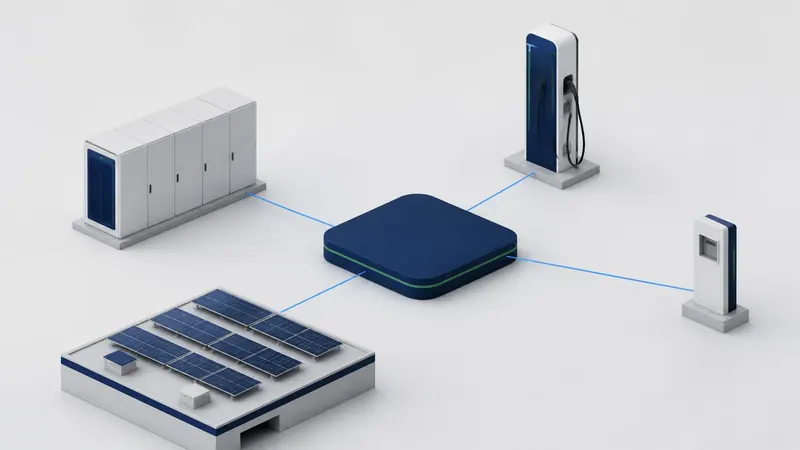
Across a fleet, degradation-aware intelligence supports comparison of vendors, sites, duty cycles, control policies, warranties, and replacement paths. Dispatch can be distributed to assets with the best combination of location, availability, efficiency, and remaining life rather than cycling the easiest asset repeatedly.
The result is not minimal battery use. It is deliberate use: spend asset life where it earns the most strategic value.